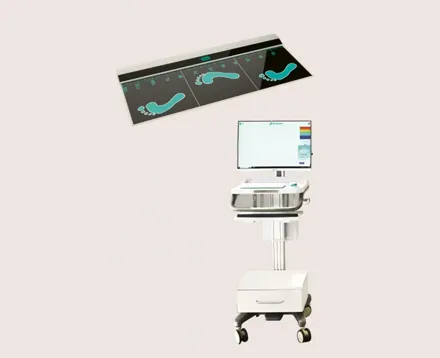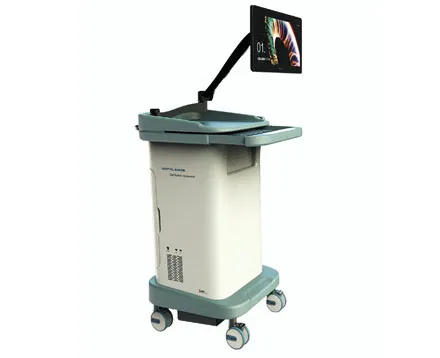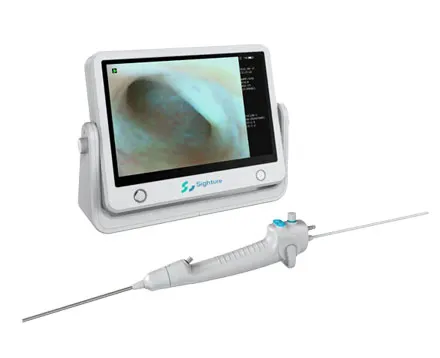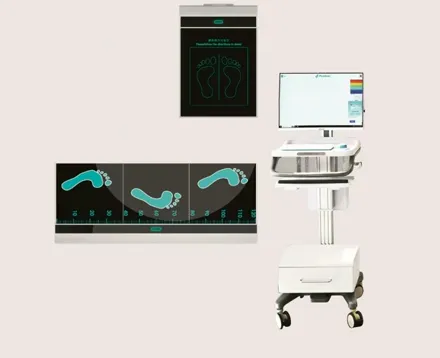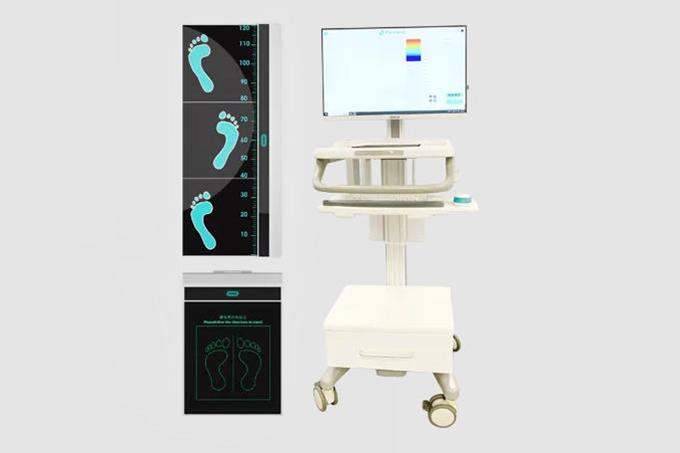
A plantar pressure system measures how pressure is distributed across the plantar surface of the foot during standing or movement. By converting sensor measurements into visual and quantitative data, the system can help professionals evaluate loading patterns, foot function, balance, and gait characteristics.
For hospitals, rehabilitation facilities, biomechanics laboratories, universities, and other professional users, selecting a system requires more than comparing sensor quantity. Measurement mode, sensing area, sampling performance, software functions, repeatability, and intended clinical or research workflow should all be considered.
Sighture Medical provides foot and gait assessment solutions designed to support professional evaluation and data-driven analysis.
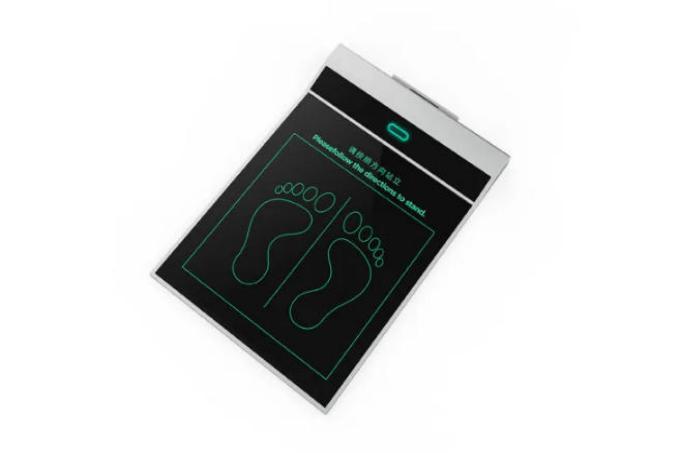
A plantar pressure system is a measurement platform that uses pressure sensors and analysis software to quantify the distribution of forces or pressures beneath the foot.
During an assessment, the patient or test subject stands, walks, or performs a specified movement on or with the sensing equipment. The system records pressure-related information at multiple locations and converts it into maps, curves, and numerical parameters.
Unlike visual observation alone, plantar pressure mapping provides objective information about where and when loading occurs. Depending on system capabilities, professionals may examine parameters such as peak pressure, contact area, pressure distribution, and temporal characteristics.
The resulting data should be interpreted together with the patient's or subject's broader assessment rather than being treated as a standalone diagnosis.
A plantar pressure system works by detecting pressure beneath the foot, digitizing the sensor signals, and processing them through software for visualization and analysis.
A typical assessment follows several stages:
Data acquisition: Sensors capture plantar loading while the subject stands or moves according to the test protocol.
Signal processing: The system converts sensor output into digital measurement data.
Pressure visualization: Software generates pressure maps that show how loading is distributed across different foot regions.
Parameter analysis: Relevant measurements can be reviewed to compare feet, trials, movements, or assessment conditions.
For dynamic testing, consistent walking speed, foot placement, and test procedures are important because uncontrolled differences between trials can affect the resulting data.
A professional plantar pressure system combines sensing hardware, data acquisition technology, analysis software, and supporting equipment into an integrated measurement platform.
The pressure-sensing component is responsible for detecting plantar loading. Depending on the product design, measurement may use a pressure platform, walkway, or other sensor configuration. The sensing area and spatial resolution influence how detailed the resulting pressure distribution can be.
Data acquisition hardware transfers measurements to the software environment, where information can be processed and displayed. Professional software is particularly important because raw sensor values alone have limited practical value without meaningful visualization and analysis.
A complete gait analysis system may also combine plantar pressure information with other measurements when a broader biomechanical assessment is required. Buyers should therefore determine whether they need pressure measurement alone or integration into a more comprehensive gait-analysis workflow.
Plantar pressure systems can support clinical, rehabilitation, orthotic, biomechanical, and research assessments by providing objective information about foot loading.
Common applications include:
Foot function assessment: Professionals can examine loading distribution and differences between foot regions.
Gait and rehabilitation evaluation: Repeated measurements can help document changes in loading patterns during a rehabilitation program.
Orthotic assessment: Pressure information can contribute to evaluating how footwear or orthotic interventions influence plantar loading.
Biomechanics research: Researchers can use quantitative pressure data to investigate gait, balance, movement, and foot-ground interaction.
The system does not replace professional clinical judgment. Its value comes from adding measurable data to physical examination, patient history, movement observation, and other relevant assessments.
Choosing a plantar pressure system requires matching measurement capability, software functions, repeatability, workflow, and technical support with the intended application.
Several factors deserve attention:
Measurement requirements: Determine whether the primary need is static assessment, dynamic walking analysis, research, rehabilitation, or another workflow.
Sensor performance: Consider sensing area, spatial characteristics, sampling capability, measurement range, and repeatability.
Software capability: Evaluate pressure visualization, parameter calculation, reporting, data comparison, and export functions.
System usability: Setup time and workflow should suit the expected number of examinations and available space.
Technical support: Calibration, training, maintenance, software support, and after-sales service can affect long-term system usability.
Buyers should request specifications relevant to their intended protocol rather than selecting a system from a single headline specification. For research applications, repeatability and access to analyzable data may be especially important, while clinical environments may place greater emphasis on workflow and report generation.
Sighture Medical provides professional solutions for foot pressure and gait-related assessment, supporting healthcare and research users who require objective movement data.
When evaluating equipment, buyers should communicate their intended application, testing environment, required measurements, software needs, and expected workflow. This allows the equipment configuration to be evaluated against practical requirements rather than relying only on general product descriptions.
For organizations building a broader foot assessment or gait-analysis capability, compatibility between measurement hardware, software, reporting, and daily operation should also be considered before procurement.
A plantar pressure system transforms foot-loading measurements into quantitative data that can support gait analysis, rehabilitation, orthotic evaluation, biomechanics research, and other professional assessments.
The most appropriate system is not necessarily the one with the largest number of specifications. Measurement performance, plantar pressure mapping capability, software analysis, repeatability, workflow, and technical support should be evaluated together.
Sighture Medical supports professional users seeking foot pressure and gait assessment solutions for clinical, rehabilitation, and research environments.
It measures pressure distribution beneath the foot and can provide parameters such as pressure patterns, contact area, and temporal loading information depending on system capabilities.
Plantar pressure mapping converts sensor measurements into a visual representation showing how pressure is distributed across the plantar surface.
Yes. Dynamic plantar pressure measurements can contribute quantitative foot-loading information to gait assessment.
Static testing measures loading while standing, while dynamic testing evaluates pressure as the subject walks or performs another movement.
Plantar pressure data can support professional assessment, but it should not be treated as a standalone diagnosis.
Compare measurement mode, sensing performance, software functions, repeatability, reporting capabilities, workflow, calibration, training, and technical support.

 English