Plantar pressure mapping is a biomechanical assessment method that converts forces between the foot and ground into visual and numerical data. Instead of relying only on visual observation, clinicians can examine where pressure occurs, how strongly different foot regions are loaded, and how those patterns change during standing or walking.
A modern plantar pressure system uses pressure sensors and software to generate pressure maps, contact-area data, center-of-pressure information and gait-related measurements. These results can support rehabilitation, gait assessment, orthotic evaluation and follow-up monitoring.
The clinical value of plantar pressure mapping is therefore not simply producing a colored footprint. It provides objective information that can be compared between feet, plantar regions and repeated assessments over time.
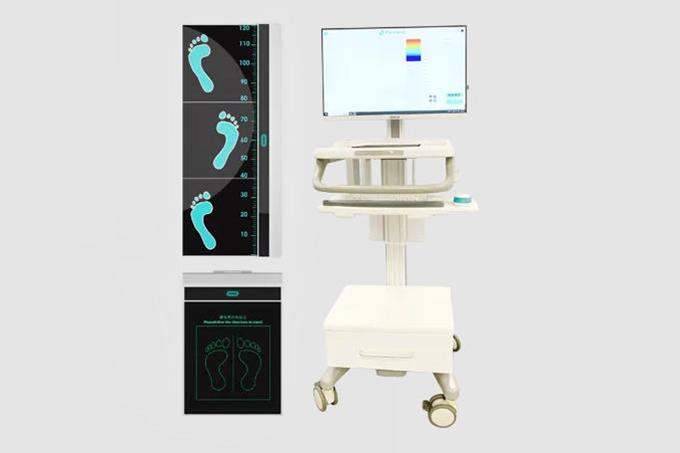
Plantar pressure mapping measures the spatial distribution and magnitude of pressure between the plantar surface of the foot and a sensing surface.
When a patient stands or walks across a pressure platform, multiple sensors record local loading. Software converts these signals into a foot pressure mapping image showing how pressure is distributed across areas such as the heel, midfoot, forefoot and toes.
Static assessment measures weight distribution during standing, while dynamic assessment records changes from initial contact through mid-stance and push-off.
A review of plantar pressure measurement technology highlights the use of pressure platforms in healthcare and sports while emphasizing the importance of calibration and standardized testing protocols.
Because walking speed, foot placement and test conditions can influence results, plantar pressure mapping should always be interpreted within a consistent measurement protocol.
A plantar pressure mapping system measures foot pressure by repeatedly sampling loads across an array of sensors and combining those signals with spatial and timing information.
As the foot contacts the platform, each sensor detects pressure at a specific location. Dynamic systems sample these signals many times per second so clinicians can observe how loading moves across the foot during gait.
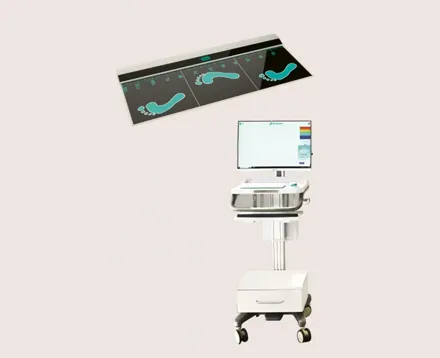
Sighture's Plantar Pressure Gait Analysis System includes static, dynamic and integrated configurations. Its Gaitnovate II dynamic system lists 12,288 sensors and a sampling frequency of up to 800 Hz. At 800 Hz, data can theoretically be sampled every 1.25 milliseconds, allowing detailed observation of rapid gait events.
| Measurement | What It Shows | Clinical Value |
|---|---|---|
| Pressure distribution | Location of plantar loading | Identifies loading patterns |
| Peak pressure | Highest local pressure | Highlights concentrated loads |
| Contact area | Foot area touching platform | Supports functional assessment |
| Weight distribution | Left/right loading | Reveals asymmetry |
| Temporal data | Loading changes over time | Supports gait evaluation |
Reliable plantar pressure analysis requires more than high sensor numbers. Measurement repeatability, software interpretation and standardized patient testing are equally important.
Plantar pressure analysis provides spatial, pressure-related and temporal data describing how a patient loads the feet during standing and movement.
Common measurements include:
Peak and average pressure: indicate the intensity of loading in different foot regions.
Contact area: measures how much of the plantar surface contacts the platform.
Left-right distribution: helps identify asymmetric weight bearing.
Center of pressure: tracks the progression of resultant loading through standing or gait.
Temporal gait data: describes how loading changes through different phases of foot contact.
These variables are more useful when interpreted together. For example, elevated peak pressure can have different clinical meaning depending on contact area, gait speed and overall movement pattern.
A systematic review of plantar-pressure measurements found that variables such as mean plantar pressure, body-weight distribution and contact area can demonstrate useful reliability when appropriate measurement protocols are followed.
Sighture's Gaitnovate I static plantar pressure system generates more than 12 reported metrics, including arch index, average pressure, peak pressure and regional contact-area ratios.
Clinical plantar pressure mapping supports rehabilitation by objectively measuring weight distribution, gait loading and changes between repeated assessments.
After lower-limb injury or surgery, clinicians may want to know whether a patient continues to unload one limb or whether weight-bearing symmetry improves during rehabilitation. Plantar pressure mapping can quantify these changes instead of relying only on visual gait assessment.
It can also support evaluation of balance, orthotic interventions, footwear modifications and altered gait strategies. When measurements are repeated under similar conditions, clinicians can compare changes across different stages of rehabilitation.
Plantar pressure assessment is also relevant to diabetic-foot management because excessive localized loading can contribute to tissue stress. The International Working Group on the Diabetic Foot guidelines discuss the role of plantar-pressure measurement when evaluating pressure-relieving footwear and diabetes-related foot care.
However, a plantar pressure system should support rather than replace clinical judgment. Results should be interpreted together with symptoms, medical history, physical examination and other biomechanical findings.
The right plantar pressure mapping system should match the clinic's assessment goals, required data, patient population and workflow.
Important factors include:
Static or dynamic testing: static systems suit standing and balance assessments, while dynamic systems are more appropriate for walking analysis.
Sensor density and sampling rate: sufficient spatial and temporal resolution are important for detailed pressure measurement.
Clinical metrics: software should report measurements relevant to the clinic's rehabilitation or gait workflow.
Repeatability: consistent calibration and testing procedures support meaningful follow-up comparisons.
Workflow efficiency: setup time, test area, report generation and usability affect daily clinical adoption.
Sighture offers different configurations for these needs. Gaitnovate I focuses on static assessment, Gaitnovate II provides dynamic foot pressure mapping, and the Gaitnovate III comprehensive system combines static and dynamic assessment within one workstation.
The best system is therefore not necessarily the model with the highest technical specification, but the one that provides clinically useful data in a repeatable and practical workflow.
Plantar pressure mapping transforms foot-ground interaction into measurable information about pressure distribution, contact area, symmetry and timing. It allows clinicians to identify loading patterns that may not be visible through observation alone.
For effective plantar pressure analysis, sensor performance, consistent testing and clinical interpretation all matter. Sighture's static, dynamic and comprehensive systems provide different options for rehabilitation, gait assessment and biomechanical applications.
It measures how pressure and load are distributed across the bottom of the foot during standing or movement.
No. It is one component of gait analysis focused specifically on foot-ground pressure and loading.
It is the highest pressure recorded in a defined plantar region during the assessment.
Yes. It can compare pressure and weight distribution between the left and right feet.
Static analysis measures standing pressure, while dynamic analysis records changing pressure during walking.
Consider clinical purpose, static or dynamic requirements, sensor performance, software metrics, repeatability and workflow.

 English