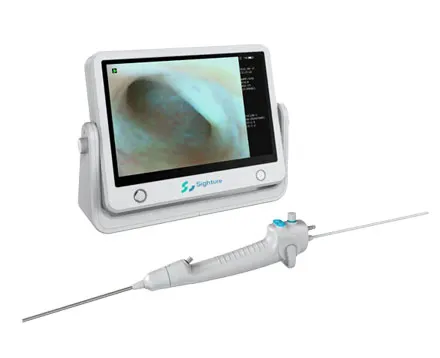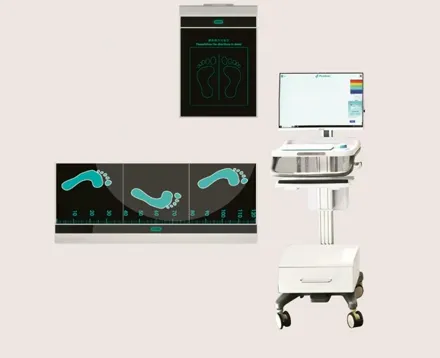
A Portable Ultra-wide-angle Fundus Camera PUWF provides a practical solution for neonatal retinal screening by combining wide-field imaging, portability, and high-resolution visualization. It enables ophthalmologists and NICU teams to capture detailed retinal images at the bedside, supporting early detection of retinal abnormalities such as retinopathy of prematurity (ROP).
Compared with conventional retinal imaging equipment, an advanced wide field fundus camera expands the observable retinal area, improves screening efficiency, and supports more comprehensive evaluation of peripheral retinal conditions. For hospitals, neonatal centers, and ophthalmology clinics, PUWF offers a flexible approach to improving early eye disease detection and telemedicine-based diagnosis.
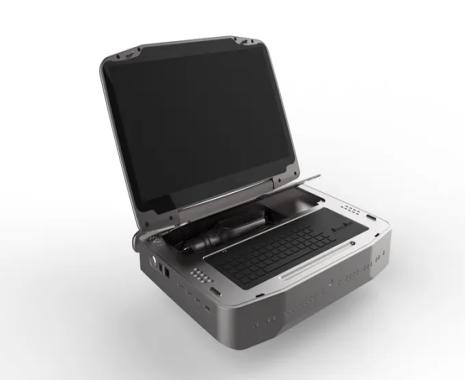
A portable ultra-wide-angle fundus camera is a specialized ophthalmic imaging device designed to capture high-resolution images of a large retinal area while maintaining mobility and clinical flexibility.
Traditional fundus cameras often require patients to visit dedicated examination rooms. In contrast, a portable fundus camera can be moved between departments, allowing healthcare providers to perform retinal examinations in environments such as:
Neonatal intensive care units (NICU)
Pediatric wards
Ophthalmology clinics
Remote healthcare locations
The combination of wide-angle imaging and portability makes these systems particularly valuable for newborn eye screening programs where early intervention is critical.
Ultra-wide-angle imaging provides a broader view of the retina compared with standard retinal imaging methods. This is especially important for premature infants because retinal abnormalities often develop in peripheral areas that may not be visible through limited-field examination.
A wide field fundus camera helps clinicians evaluate:
Peripheral retinal vascular development
Abnormal blood vessel growth
Retinal lesions
Disease progression
Post-treatment changes
For ROP screening, comprehensive retinal visualization allows doctors to identify potential risks earlier and make timely treatment decisions.
The Sighture Medical Portable Ultra-wide-angle Fundus Camera PUWF is designed to address the practical challenges of neonatal retinal examinations, including limited mobility, patient positioning difficulties, and the need for fast image acquisition.
Key advantages include:
PUWF provides an expanded retinal view, allowing clinicians to capture more complete images during examination.
Compared with conventional fundus imaging, wider field coverage reduces the need for multiple captures and improves examination efficiency, especially when screening newborn patients.
Newborn patients, particularly premature infants, may not be suitable for transportation to specialized imaging rooms.
The portable design allows medical professionals to perform examinations directly at the bedside, reducing patient movement and improving workflow efficiency.
Accurate retinal assessment depends on image clarity. PUWF utilizes advanced imaging technology to provide detailed retinal visualization, helping ophthalmologists analyze subtle changes and monitor disease development.
Digital retinal images can be transferred for specialist review, making the system suitable for telemedicine applications.
This capability helps healthcare providers:
Connect with remote ophthalmology experts
Improve screening accessibility
Support regional healthcare networks
Enhance clinical collaboration
A portable fundus camera can be applied in various ophthalmic and medical environments.
ROP is one of the most important applications for neonatal retinal imaging. Premature infants require regular monitoring because abnormal retinal vascular development can lead to vision impairment if not detected early.
Portable wide-field retinal imaging enables efficient screening in NICU environments.
Children may experience difficulties cooperating with traditional examination methods. Portable imaging solutions provide greater flexibility for pediatric ophthalmic assessments.
For patients requiring continuous retinal monitoring, portable systems support convenient follow-up examinations and documentation of disease changes.
Portable imaging equipment expands access to retinal screening in areas where advanced ophthalmology facilities are limited.
Selecting the right retinal imaging system requires evaluation of clinical performance, usability, and long-term operational value.
Important factors include:
A wider imaging field allows clinicians to examine more retinal areas in a single capture, improving screening efficiency.
Hospitals should evaluate:
Image resolution
Color accuracy
Retinal detail visibility
Consistency of image acquisition
For neonatal screening programs, equipment mobility is essential. A lightweight and flexible system can improve examination efficiency across different departments.
Modern retinal screening increasingly requires digital storage, image sharing, and remote consultation capabilities.
The portable fundus camera price varies depending on imaging technology, field of view, sensor performance, software features, and clinical application requirements.
Key factors influencing pricing include:
Ultra-wide-angle imaging capability
Image resolution technology
Portable design features
Telemedicine functions
Software and data management systems
Manufacturer support services
When evaluating the portable fundus camera price, healthcare institutions should consider the total clinical value rather than focusing only on initial equipment costs. A system that improves screening efficiency, reduces patient transfer requirements, and supports remote consultation can provide significant long-term benefits.
Modern healthcare requires imaging solutions that combine accuracy, efficiency, and accessibility. The Sighture Medical Portable Ultra-wide-angle Fundus Camera PUWF addresses these needs by providing:
Comprehensive retinal visualization
Convenient bedside examination capability
Efficient neonatal screening workflow
Digital image management support
Flexible applications across healthcare environments
By improving access to high-quality retinal imaging, PUWF helps healthcare providers strengthen early detection programs and deliver better eye care outcomes.
A portable ultra-wide-angle fundus camera is used to capture detailed retinal images for diagnosing and monitoring eye conditions, especially in neonatal screening, pediatric ophthalmology, and remote eye care.
A wide field fundus camera captures more peripheral retinal areas, helping clinicians identify abnormal retinal development that may be missed with narrower imaging systems.
Yes. Portable fundus cameras are specifically designed for bedside examinations, making them suitable for premature infants and newborn patients who require regular retinal screening.
The price depends on imaging performance, field of view, portability, software functions, and additional features such as telemedicine support.
Yes. Many modern portable fundus cameras support digital image transfer, enabling remote specialists to review retinal images and assist with diagnosis.
The Portable Ultra-wide-angle Fundus Camera PUWF provides an advanced approach to neonatal retinal screening by combining wide-field visualization, portability, and efficient digital imaging. For hospitals and ophthalmology centers seeking improved screening capabilities, a professional wide field fundus camera can enhance diagnostic confidence and expand access to retinal care.
With growing demand for early eye disease detection and remote healthcare solutions, investing in a reliable portable fundus camera enables medical institutions to improve workflow efficiency, support timely intervention, and deliver higher-quality ophthalmic services.

 English