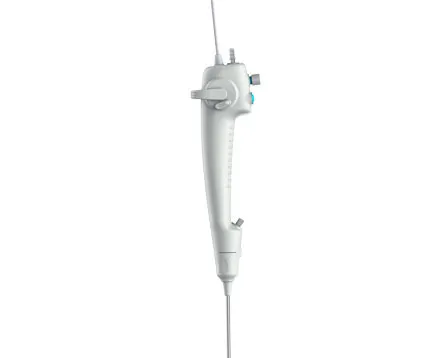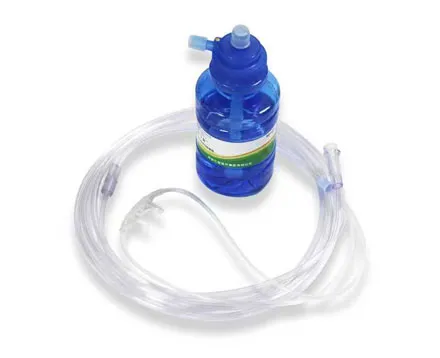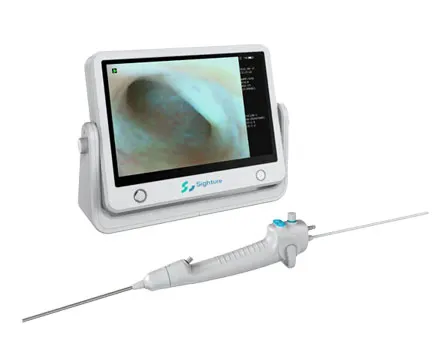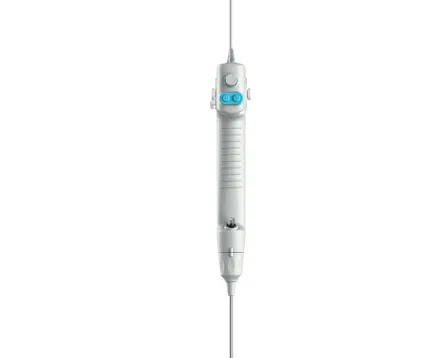
A disposable bronchoscope improves respiratory procedure safety and efficiency by eliminating reprocessing risks, reducing cross-contamination concerns, ensuring consistent device performance, and streamlining clinical workflows. With advanced imaging, flexible navigation, and ready-to-use availability, single-use bronchoscopes help healthcare providers perform airway examinations and interventions with greater confidence, especially in high-risk environments such as intensive care units (ICUs), emergency departments, and isolation wards.
As respiratory care continues to demand faster response times and higher infection control standards, the use of bronchoscope technology is evolving from traditional reusable systems toward safer, more efficient single-use solutions.
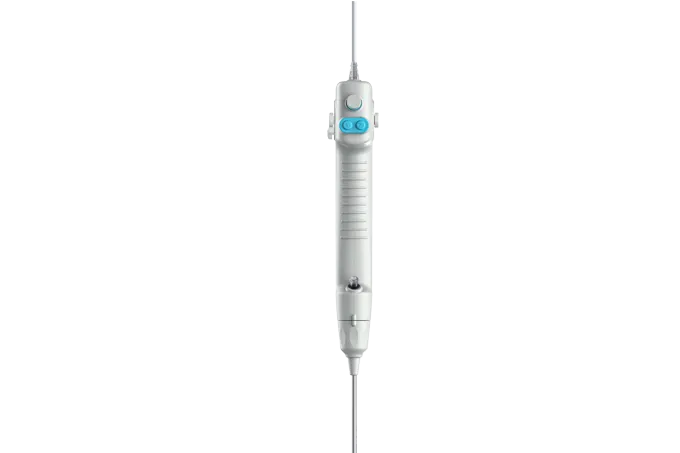
The increasing adoption of disposable bronchoscopes is driven by the growing need for infection prevention, operational efficiency, and reliable clinical performance.
Traditional reusable bronchoscopes require complex cleaning, high-level disinfection, drying, inspection, and storage procedures after each use. Even with strict protocols, incomplete reprocessing may create concerns related to residual contamination and device availability.
A single-use disposable bronchoscope removes these challenges by providing a sterile device for each procedure. Clinicians can use a new bronchoscope immediately when needed, reducing delays caused by reprocessing cycles and improving readiness during urgent respiratory cases.
Key advantages include:
Reduced risk of cross-contamination between patients
Consistent device quality for every procedure
Faster preparation for emergency airway management
Lower dependence on centralized sterilization resources
Improved workflow efficiency for medical teams
For hospitals managing high patient volumes or infectious respiratory conditions, disposable technology provides an additional layer of safety and flexibility.
Infection control is one of the most important considerations in bronchoscopy procedures. A bronchoscope enters the patient’s airway directly, making proper sterilization essential for patient safety.
A disposable bronchoscope is manufactured, packaged, and sterilized for single-patient use. After the procedure, the device is discarded rather than returned for cleaning and reuse.
This approach helps reduce risks associated with:
Inadequate cleaning processes
Difficult-to-access internal channels
Biofilm formation inside reusable instruments
Human errors during reprocessing procedures
For critical care environments, including ICU ventilation management and infectious disease units, single-use bronchoscopes support stricter infection prevention strategies while maintaining procedural reliability.
The use of bronchoscope allows physicians to directly visualize the airway, identify abnormalities, collect samples, and perform therapeutic interventions with high precision.
Common clinical applications include:
| Application | Clinical Value |
|---|---|
| Airway examination | Detect inflammation, obstruction, bleeding, or abnormal lesions |
| Bronchoalveolar lavage (BAL) | Collect respiratory samples for diagnosis |
| Biopsy procedures | Support pathological evaluation of lung conditions |
| Foreign body removal | Assist in removing airway obstructions |
| Difficult intubation support | Provide visual guidance for airway management |
| ICU airway care | Monitor and manage patients requiring ventilation support |
A modern disposable bronchoscope enhances these applications by combining flexible navigation with high-resolution imaging, allowing clinicians to make faster and more accurate decisions.
Efficiency in respiratory procedures depends on more than device performance. It also involves preparation time, staff workload, equipment availability, and procedure consistency.
Disposable bronchoscopes improve efficiency in several ways:
Because single-use bronchoscopes do not require cleaning and sterilization after previous procedures, healthcare providers can immediately prepare the device when clinical needs arise.
This is particularly valuable during:
Emergency airway interventions
Unexpected respiratory deterioration
ICU bedside procedures
Isolation room treatments
Reusable bronchoscopes require coordination between clinical teams and sterilization departments. A disposable system simplifies logistics by reducing:
Transport requirements
Cleaning documentation
Maintenance procedures
Equipment downtime
Reusable devices may experience gradual wear after repeated procedures and sterilization cycles. Disposable bronchoscopes provide consistent performance characteristics for every patient, supporting predictable clinical outcomes.
Selecting the right disposable bronchoscope requires evaluating image quality, maneuverability, compatibility, and clinical usability.
Important factors include:
Clear visualization is essential for identifying airway conditions and guiding interventions. Advanced imaging systems help clinicians observe fine anatomical details during diagnosis and treatment.
A bronchoscope should provide smooth control and accurate positioning when navigating complex airway structures.
Important design considerations include:
Distal tip flexibility
Bending capability
Small insertion diameter
Ergonomic control design
A suitable disposable bronchoscope should support different respiratory applications, including diagnostic examinations, sampling procedures, and airway management.
Single-use devices should provide secure sterile packaging and reliable quality control throughout manufacturing.
Sighture Medical’s disposable bronchoscope is designed to address the evolving needs of respiratory professionals by combining safety-focused design with advanced visualization technology.
Key benefits include:
Single-use sterile design to support infection control
Flexible navigation for complex airway procedures
High-quality visualization for accurate assessment
Efficient workflow integration in hospitals and critical care environments
By reducing reprocessing challenges and improving procedural readiness, Sighture disposable bronchoscope solutions help healthcare providers deliver safer and more efficient airway management.
A disposable bronchoscope is used for airway visualization, diagnosis, sampling, airway management, and therapeutic procedures. The use of bronchoscope technology helps physicians examine respiratory structures and perform minimally invasive interventions.
A disposable bronchoscope can improve safety by reducing risks associated with inadequate sterilization and cross-contamination. Since each device is used for only one patient, it eliminates the need for complex reprocessing between procedures.
Hospitals use single-use bronchoscopes to improve infection control, reduce equipment downtime, simplify workflow management, and ensure consistent device performance for each procedure.
Yes. Disposable bronchoscopes are widely suitable for ICU applications, including ventilated patients, airway assessment, secretion management, and emergency respiratory procedures.
Healthcare providers should consider image quality, device flexibility, insertion size, compatibility with clinical applications, manufacturing quality, and supplier reliability when selecting a disposable bronchoscope.
The transition toward disposable bronchoscope technology represents an important advancement in respiratory medicine. By improving infection control, reducing workflow complexity, and providing consistent procedural performance, single-use systems help hospitals respond more effectively to modern respiratory care challenges.
As demand grows for safer and more efficient airway management solutions, the use of bronchoscope technology will continue to evolve, with disposable solutions playing an increasingly important role in improving patient care and clinical outcomes.

 English