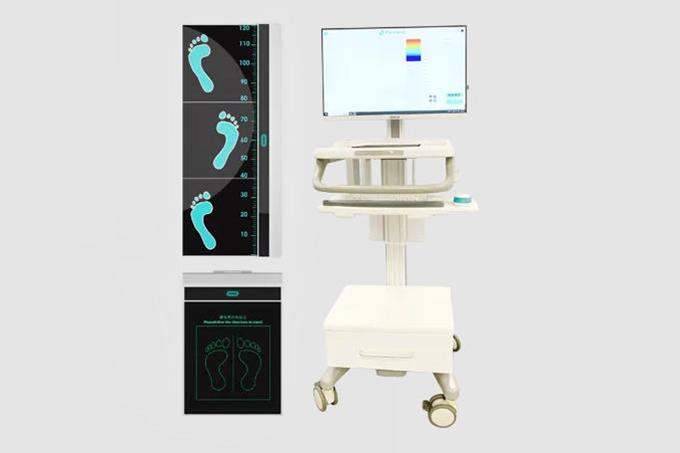
Choosing between a Static Plantar Pressure Analysis System-GaitnovateⅠ and a Dynamic Plantar Pressure Analysis System-GaitnovateⅡ depends on your clinic’s diagnostic goals, patient population, and assessment requirements. Static systems are ideal for evaluating standing balance, foot pressure distribution, posture alignment, and weight-bearing characteristics, while dynamic systems provide deeper insights into gait patterns, pressure changes during movement, and functional biomechanics.
For clinics focused on rehabilitation assessment, sports medicine, orthopedics, podiatry, and biomechanical research, selecting the right plantar pressure system can significantly improve diagnostic accuracy, treatment planning, and patient outcomes.
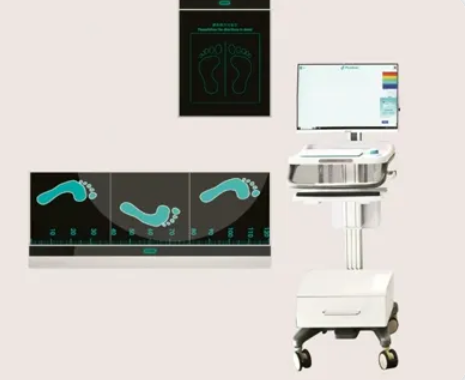
The primary difference between static and dynamic analysis is whether the patient is assessed while standing still or during movement.
A static analysis system captures plantar pressure data when the patient maintains a standing position. It focuses on weight distribution, balance stability, foot loading patterns, and postural control.
A dynamic analysis system records plantar pressure changes while the patient walks or performs movement activities. It evaluates gait cycles, pressure transitions, force distribution, and functional abnormalities during motion.
Both technologies rely on advanced plantar pressure mapping technology, but they provide different clinical perspectives.
| Comparison | Static Plantar Pressure Analysis System-GaitnovateⅠ | Dynamic Plantar Pressure Analysis System-GaitnovateⅡ |
|---|---|---|
| Assessment Condition | Standing position | Walking or moving condition |
| Main Focus | Balance, posture, pressure distribution | Gait pattern, movement mechanics |
| Key Measurements | Static pressure, load symmetry, center of pressure | Gait cycle, step pressure, pressure changes |
| Clinical Applications | Rehabilitation evaluation, posture assessment, foot deformity analysis | Gait disorders, sports biomechanics, functional movement analysis |
| Suitable Users | Rehabilitation clinics, hospitals, orthopedic departments | Sports medicine centers, gait laboratories, rehabilitation facilities |
A plantar pressure system uses high-precision pressure sensors to capture the interaction between the foot and the supporting surface. During assessment, sensors detect pressure intensity, distribution patterns, and changes across different areas of the foot.
The collected data is processed through specialized software to generate visual pressure maps, allowing clinicians to analyze:
Forefoot, midfoot, and heel loading patterns
Left and right foot pressure differences
Center of pressure movement
Balance stability
Abnormal pressure concentration areas
Gait-related biomechanical changes
Modern systems combine sensor technology, data analysis algorithms, and visualization tools to help healthcare professionals make evidence-based clinical decisions.
The Static Plantar Pressure Analysis System-GaitnovateⅠ is designed for evaluating foot function under stationary weight-bearing conditions. It provides detailed information about how a patient distributes body weight through their feet while standing.
Key measurements include:
The system identifies pressure differences across different regions of the foot, helping clinicians detect excessive loading areas that may be associated with:
Flat feet
High arches
Foot deformities
Postural imbalance
Lower limb alignment issues
Static analysis provides valuable information about a patient’s ability to maintain stable posture. The system evaluates:
Center of pressure movement
Body sway patterns
Weight-bearing symmetry
Balance control ability
This makes it particularly useful for elderly patients, rehabilitation programs, and neurological assessment.
By comparing plantar pressure data before and after intervention, clinicians can monitor rehabilitation progress and evaluate whether treatment strategies are improving foot function.
A static solution is suitable when the primary goal is understanding how patients load their feet during standing.
Clinics may benefit from the Static Plantar Pressure Analysis System-GaitnovateⅠ for:
Orthopedic foot evaluations
Rehabilitation assessments
Balance testing
Postural analysis
Custom orthotics development
Foot pressure screening
For patients recovering from injury or surgery, static measurements provide important baseline information about weight distribution and recovery progress.
The Dynamic Plantar Pressure Analysis System-GaitnovateⅡ evaluates foot function during natural movement. Unlike static assessment, dynamic analysis reveals how pressure changes throughout the walking cycle.
Important evaluation capabilities include:
Dynamic systems analyze different phases of walking, including:
Heel strike
Mid-stance
Toe-off
Step transition
This helps clinicians understand movement abnormalities that cannot be identified through standing assessment alone.
Walking involves complex interactions between muscles, joints, and feet. Dynamic plantar pressure mapping helps identify:
Abnormal gait patterns
Uneven pressure loading
Compensation movements
Walking-related pain factors
Sports medicine professionals use dynamic plantar pressure analysis to evaluate:
Running mechanics
Athletic movement efficiency
Injury risks
Foot strike patterns
Neither system is universally better. The right choice depends on the clinical purpose.
A Static Plantar Pressure Analysis System-GaitnovateⅠ is the better choice when clinicians need detailed information about:
Standing balance
Foot structure
Weight distribution
Postural control
A Dynamic Plantar Pressure Analysis System-GaitnovateⅡ is more suitable when clinicians need to understand:
Walking mechanics
Movement-related pressure changes
Gait abnormalities
Sports performance
Many advanced clinics use both systems because static and dynamic assessments provide complementary information. Static analysis explains how patients support their body weight, while dynamic analysis explains how their feet function during real movement.
Plantar pressure mapping transforms invisible pressure interactions into measurable clinical data. Traditional visual examinations may identify symptoms, but pressure analysis provides quantitative evidence behind those symptoms.
With detailed pressure visualization, clinicians can:
Identify abnormal loading patterns earlier
Customize rehabilitation strategies
Improve orthotic design accuracy
Track patient progress objectively
Enhance communication with patients
For healthcare facilities seeking reliable biomechanical assessment tools, an advanced plantar pressure solution supports more accurate and personalized care.
Before investing in a plantar pressure system, clinics should consider several factors:
Determine whether your main purpose is:
Balance and posture evaluation → Choose static analysis
Gait and movement evaluation → Choose dynamic analysis
Different patient groups require different assessment methods:
Elderly patients may benefit from static balance evaluation
Athletes may require dynamic gait analysis
Rehabilitation patients may need both assessment methods
Consider whether your clinic requires:
Basic pressure distribution analysis
Detailed gait cycle evaluation
Long-term rehabilitation tracking
Research-level biomechanical data
Clinics planning to expand rehabilitation, sports medicine, or research services should consider systems that provide scalable assessment capabilities.
A plantar pressure analysis system is used to measure and analyze pressure distribution between the foot and the ground. It supports clinical evaluation of foot function, balance, gait patterns, and biomechanical abnormalities.
A static system can identify standing pressure distribution and balance issues, but it cannot fully evaluate gait changes during movement. Walking-related problems usually require a dynamic plantar pressure analysis system.
Yes. Plantar pressure mapping provides objective data that helps rehabilitation professionals evaluate functional changes, monitor recovery, and optimize treatment programs.
The Static Plantar Pressure Analysis System-GaitnovateⅠ focuses on standing pressure distribution, balance, and posture evaluation. The Dynamic Plantar Pressure Analysis System-GaitnovateⅡ focuses on gait analysis, movement patterns, and pressure changes during walking.
For clinics providing comprehensive rehabilitation, sports medicine, or biomechanical services, combining static and dynamic analysis provides a more complete understanding of patient foot function.
Selecting the right plantar pressure technology requires a clear understanding of clinical needs. The Static Plantar Pressure Analysis System-GaitnovateⅠ delivers accurate evaluation of standing balance, pressure distribution, and postural control, while the Dynamic Plantar Pressure Analysis System-GaitnovateⅡ provides advanced gait and movement analysis.
By choosing the appropriate plantar pressure system, clinics can improve diagnostic confidence, create personalized treatment plans, and deliver more effective patient care through data-driven biomechanical assessment.

 English