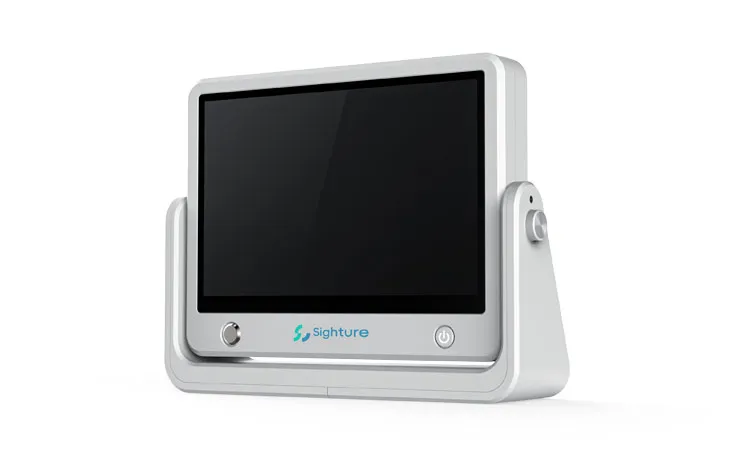
A high-performance endoscope image processor improves clinical visualization by converting captured endoscopic signals into clearer, more detailed images with enhanced color reproduction, contrast optimization, and real-time processing. For hospitals, clinics, and medical professionals, selecting a reliable image processing solution is essential to improving diagnostic confidence, workflow efficiency, and the overall use of endoscope technology.
With the continuous development of minimally invasive procedures, advanced image processing has become a critical component of modern endoscopy systems. Sighture Medical’s high-performance image processor is designed to support accurate visualization across various clinical applications, helping healthcare providers obtain clearer images and make more informed decisions.
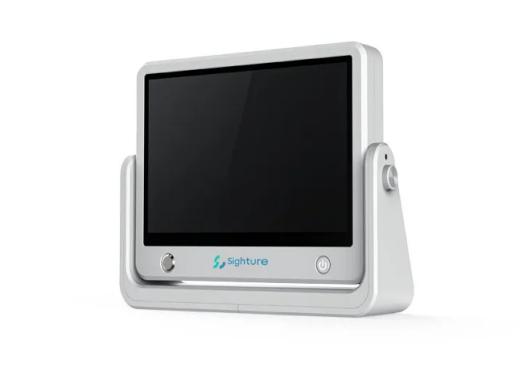
An endoscope image processor is the core component responsible for processing image signals captured by an endoscopic camera. It receives raw visual data, applies advanced processing algorithms, and outputs optimized images for clinical observation and diagnosis.
The main functions include:
Image signal processing and optimization
Brightness and contrast adjustment
Noise reduction
Color enhancement
Real-time image transmission
High-definition display support
During the use of endoscope procedures, image quality directly affects the physician’s ability to identify subtle anatomical details. A powerful image processor ensures that clinicians can observe tissue structures, lesions, and abnormalities with greater clarity.
Endoscopic diagnosis depends heavily on image accuracy. Even when an endoscope camera captures high-quality signals, the final displayed image relies on the processing capability of the image processor.
A high-performance system improves visualization through several key technologies.
Advanced processing algorithms optimize image sharpness and resolution, allowing physicians to observe fine structures more effectively.
Improved clarity is especially valuable in procedures requiring detailed examination, including:
Gastrointestinal endoscopy
Bronchoscopy
Laparoscopy
ENT procedures
Urological examinations
Clearer images help reduce uncertainty and support more precise clinical assessments.
Different areas inside the human body may have varying lighting conditions. An advanced image processor automatically adjusts brightness and contrast to maintain consistent visualization.
This helps clinicians:
Observe darker areas more clearly
Reduce overexposure
Improve image balance
Maintain visibility during complex procedures
Color information plays an important role in medical diagnosis. High-quality image processing helps preserve natural tissue colors, enabling doctors to better evaluate differences in tissue appearance.
Reliable color reproduction supports improved observation of:
Mucosal changes
Inflammation areas
Abnormal tissue structures
Blood vessel patterns
High-quality imaging directly impacts diagnostic accuracy and procedural efficiency. As minimally invasive techniques become increasingly common, physicians require advanced visualization tools that provide detailed and stable images.
A professional endoscope image processor helps address common challenges such as:
Insufficient image detail
Poor visibility in narrow spaces
Inconsistent lighting conditions
Signal interference
Reduced diagnostic confidence
By improving image quality, healthcare providers can perform examinations more efficiently while enhancing patient care.
Sighture Medical’s high-performance image processor is developed to meet the increasing requirements of modern medical imaging applications.
Key advantages include:
The system processes endoscopic image signals efficiently to deliver stable and high-quality visualization. This allows clinicians to focus on diagnosis without being limited by image degradation.
Medical environments require equipment that delivers consistent performance during repeated procedures. A dependable image processor supports smooth operation in hospitals, outpatient centers, and specialized clinics.
Modern medical facilities often require flexible solutions for different diagnostic environments. A high-quality image processor can support various endoscopic applications, helping medical institutions improve equipment utilization.
Endoscope image processors are widely used across multiple medical specialties where precise visualization is essential.
In digestive system examinations, enhanced images help physicians evaluate internal structures and identify potential abnormalities more effectively.
During minimally invasive procedures, stable and detailed imaging supports accurate instrument navigation and procedural control.
With increasing demand for flexible and mobile healthcare solutions, portable endoscope systems are becoming more popular in emergency care, outpatient services, and remote medical environments.
A compact and efficient image processing solution helps portable systems maintain professional image quality while improving accessibility.
The main difference lies in image optimization capability, processing speed, and clinical usability.
| Feature | Traditional Image Processor | High-Performance Image Processor |
|---|---|---|
| Image Quality | Basic signal processing | Advanced image enhancement |
| Detail Recognition | Limited | Improved visualization of fine structures |
| Color Accuracy | Standard reproduction | Optimized natural color performance |
| Workflow Efficiency | Basic operation | Faster and more stable processing |
| Clinical Applications | General examinations | Advanced diagnostic procedures |
For healthcare facilities investing in long-term endoscopy solutions, a high-performance processor provides better value by improving both diagnostic capability and operational efficiency.
Selecting an image processor requires consideration of clinical requirements, system compatibility, and future development plans.
Important factors include:
Evaluate whether the system provides:
High-definition image output
Effective noise reduction
Color enhancement technology
Real-time processing performance
Different departments may have different imaging needs. Hospitals should consider whether the system supports their specific applications, including diagnostic endoscopy, surgery, or portable medical solutions.
Medical equipment requires stable operation and professional technical support. Choosing a trusted medical imaging partner helps ensure long-term performance.
Yes. Modern portable endoscope systems can provide excellent visualization when combined with advanced image processing technology.
Portable solutions are designed to improve accessibility while maintaining diagnostic performance. They are increasingly used in:
Emergency departments
Primary healthcare facilities
Mobile medical services
Remote healthcare environments
An efficient image processor plays an important role in ensuring that portable systems deliver clear and reliable images despite their compact design.
An endoscope image processor receives image signals from an endoscopic camera, enhances image quality through digital processing, and displays optimized images for medical diagnosis.
Image processing improves visualization by enhancing brightness, contrast, sharpness, and color accuracy, allowing physicians to identify anatomical details more effectively.
Yes. Even with advanced camera technology, poor image processing can reduce image clarity. A high-quality processor helps maximize the performance of the entire endoscopy system.
Yes. Many modern image processors are designed to support flexible and portable endoscopic applications, helping maintain high-quality imaging in different healthcare environments.
Hospitals should evaluate image quality, system compatibility, processing performance, reliability, clinical requirements, and technical support services.
Advanced image processing technology is essential for improving the performance of modern endoscopy systems. Sighture Medical’s high-performance image processor enhances visualization through optimized image quality, accurate color reproduction, and reliable real-time processing.
Whether used in conventional endoscopy systems or emerging portable endoscope solutions, a professional image processor helps healthcare providers achieve clearer visualization, improve diagnostic confidence, and support more efficient clinical workflows.
As medical imaging continues to evolve, investing in advanced endoscopic visualization technology enables healthcare institutions to deliver higher-quality patient care and remain competitive in modern minimally invasive medicine.

 English