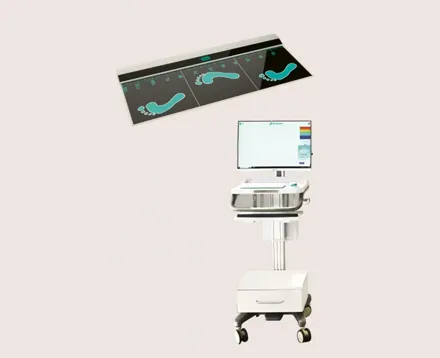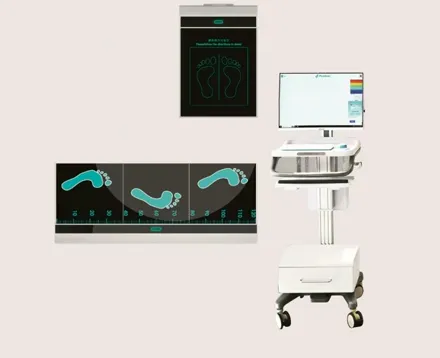
When choosing a plantar pressure analysis system, one of the most frequently asked questions is:
Should you use static analysis, dynamic analysis, or both? Understanding the differences between these two methods is essential for clinicians, researchers, and healthcare providers who want accurate, data-driven insights into foot biomechanics and gait patterns.
Static plantar pressure analysis measures how pressure is distributed across the foot while a patient is standing still. It provides critical insights into posture, balance, and structural alignment.
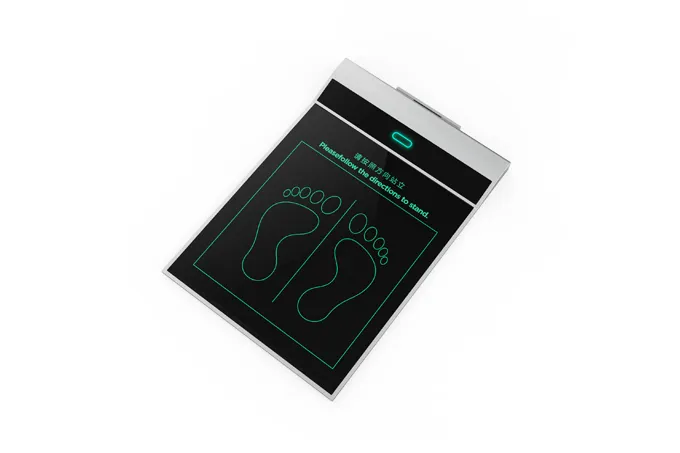
Evaluates overall posture and stability
Detects left-right weight imbalance
Identifies structural abnormalities (flat feet, high arches)
Helps assess center of pressure (COP)
Static analysis is widely used in:
Postural assessment and correction
Orthopedic diagnosis
Fall risk screening in elderly patients
Rehabilitation monitoring
It is especially valuable for identifying structural issues before symptoms worsen.
Dynamic plantar pressure analysis measures pressure distribution during movement, such as walking or running. This method provides a deeper understanding of gait mechanics and functional movement patterns.
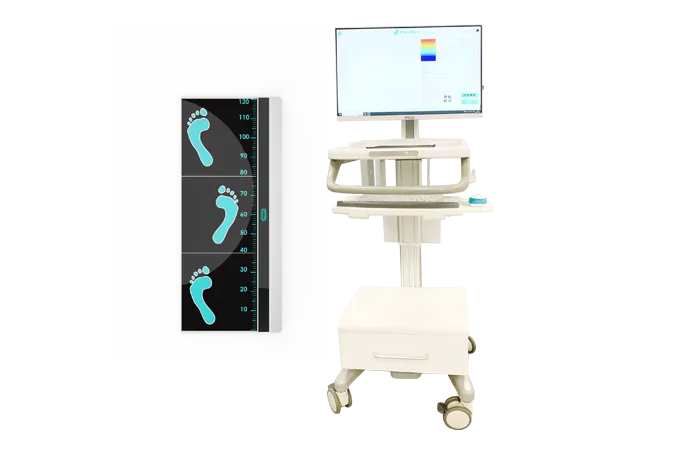
Captures real-time gait patterns
Measures step length, cadence, and stance time
Detects abnormal walking patterns
Analyzes foot rollover process
Advanced systems can operate at high sampling frequencies (up to 800Hz), ensuring highly accurate motion tracking and reliable data.
Dynamic analysis is essential in:
Gait analysis and biomechanics research
Sports performance optimization
Injury prevention and recovery
Diabetic foot risk assessment
It helps clinicians understand how patients move—not just how they stand.
| Feature | Static Analysis | Dynamic Analysis |
|---|---|---|
| Movement | Standing only | Walking / running |
| Focus | Posture & balance | Gait & motion |
| Data Type | Structural data | Functional data |
| Clinical Value | Detects alignment issues | Identifies movement abnormalities |
The answer depends on your clinical goals:
Choose static analysis for posture, balance, and structural evaluation
Choose dynamic analysis for gait analysis and movement assessment
Choose both for a comprehensive, full-spectrum diagnosis
In modern clinical practice, integrating both methods delivers the highest diagnostic accuracy.
Relying on only one type of analysis can limit your understanding.
Static analysis shows pressure distribution at rest
Dynamic analysis reveals real-world movement behavior
Together, they provide a complete biomechanical profile, enabling:
More accurate diagnosis
Personalized treatment planning
Better patient outcomes
Static plantar pressure analysis explains how a patient stands.
Dynamic analysis reveals how they move. For clinics aiming to deliver precision diagnostics and advanced care, combining both is no longer optional—it’s essential.
 Looking for a Reliable Disposable Hysteroscope Manufacturer? Discover Sighture’s Advanced Solution

 English