Choosing the right plantar pressure analysis system is a critical investment for clinics, hospitals, and research institutions.
With so many options on the market, how do you know which system truly meets your clinical and research needs? This 2026 buyer’s guide breaks down the key features, technical specifications, and decision factors you should consider before purchasing a gait analysis system.
A high-quality plantar pressure system can help you:
Improve diagnostic accuracy
Detect gait abnormalities early
Prevent injuries and complications
Deliver data-driven treatment plans
The wrong system, however, can lead to inaccurate data, wasted budget, and poor clinical outcomes.
The performance of any plantar pressure analysis system depends heavily on its sensor technology.
High-resolution pressure sensors
Thin and flexible sensor design
Even pressure distribution detection
Long-term stability and durability
Modern systems often use thin-film sensor technology, which offers:
Higher sensitivity
Better repeatability
Longer lifespan compared to traditional sensors
This is especially important for clinics requiring high-precision foot pressure measurement.
Sampling frequency (Hz) determines how many data points are captured per second during movement.
≥100 Hz → Basic clinical assessments
500–800 Hz → High-precision gait analysis
Higher sampling rates allow you to:
Capture fast movements accurately
Analyze detailed gait cycles
Reduce data loss during motion
For dynamic plantar pressure analysis, higher frequency is essential.
A modern system should support both:
Static analysis → evaluates posture and balance
Dynamic analysis → evaluates walking and movement
Static data reveals structural issues
Dynamic data reveals functional abnormalities
The best systems combine both to provide a complete biomechanical assessment.
Hardware alone is not enough—the software determines how useful your data actually is.
Real-time pressure visualization (heatmaps)
Gait cycle and phase analysis
Center of pressure (COP) tracking
Customizable clinical reports
Easy data export (PDF / Excel)
Advanced software significantly improves clinical efficiency and decision-making.
Different systems are optimized for different use cases.
Rehabilitation and physiotherapy
Sports performance analysis
Diabetic foot prevention
Orthopedic diagnostics
Fall risk assessment
Choose a system that aligns with your primary patient population and workflow.
A complex system can slow down your team and reduce productivity.
Plug-and-play setup
Intuitive user interface
Minimal training required
Fast data processing
A user-friendly system ensures faster adoption and higher ROI.
Price is important—but value matters more.
Accuracy and reliability
Software capabilities
Durability and maintenance costs
Technical support and updates
A cheaper system may cost more in the long run due to poor performance or limited functionality.
Before making a purchase, ask:
Does it support both static and dynamic analysis?
Is the sampling rate high enough for my use case?
Is the software clinically useful or just basic visualization?
Can it scale with my future needs?
Choosing the right plantar pressure analysis system requires balancing:
Accuracy
Functionality
Usability
Long-term value
By focusing on these key factors, you can make a smart investment that improves both clinical outcomes and operational efficiency.
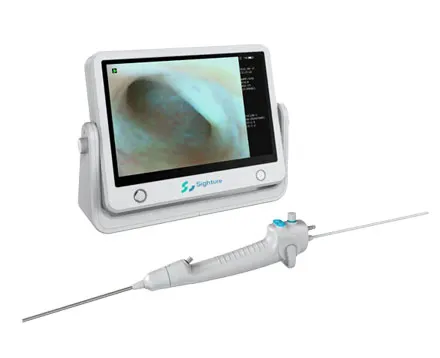
 Looking for a Reliable Disposable Hysteroscope Manufacturer? Discover Sighture’s Advanced Solution

 English