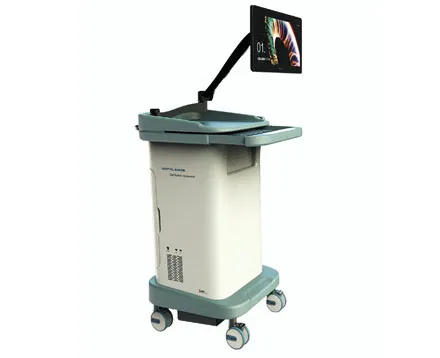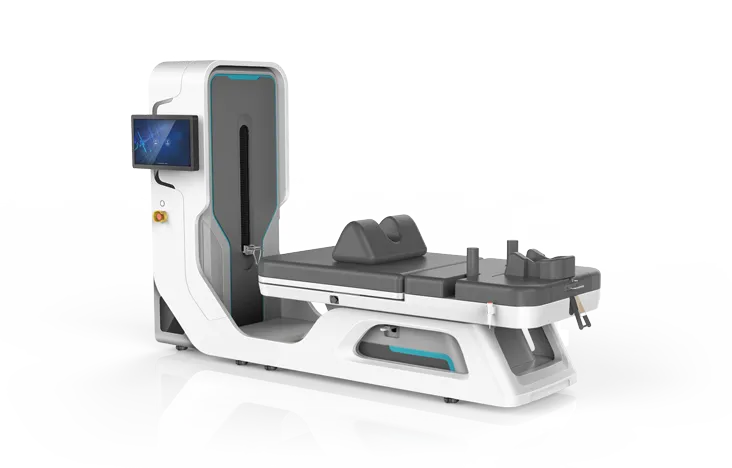
In clinical rehabilitation, sports performance, and orthopedic assessment, understanding how a person walks is more than observation—it’s measurable data. The Sighture Medical Plantar Pressure Gait Analysis System is designed to help professionals capture objective insights into walking and running mechanics through high-resolution plantar pressure mapping, enabling clearer identification of human gait types and related biomechanical risks.
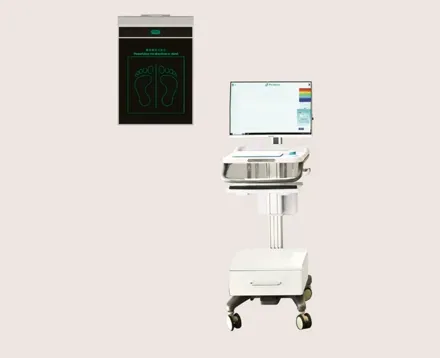
Different human gait types—such as overpronation, supination, antalgic gait, toe-walking, or asymmetrical stride patterns—can signal underlying issues including injury compensation, neurological conditions, muscle imbalance, or improper footwear. Accurately classifying gait patterns helps clinicians and trainers:
Detect early biomechanical abnormalities
Reduce injury recurrence through targeted intervention
Improve post-surgery or post-stroke rehabilitation planning
Optimize athletic movement efficiency and stability
However, visual assessment alone can miss subtle load shifts and timing differences. That’s where data-driven gait analysis becomes essential.
Plantar pressure mapping measures how force is distributed across the foot during standing, walking, and running. With a professional gait analysis system, practitioners can evaluate:
Peak pressure zones and pressure distribution changes
Center of pressure (COP) trajectory and balance control
Step-to-step symmetry and stance/swing phase timing
Forefoot vs. rearfoot loading patterns
Dynamic changes across different speeds and surfaces
This level of detail supports evidence-based decisions for orthotics prescription, rehabilitation programs, and performance training.
The Sighture Medical Plantar Pressure Gait Analysis System provides a practical workflow for clinics, hospitals, and sports institutions that need reliable, repeatable assessments. By combining intuitive software with precise pressure sensing, it helps teams move from “suspected gait issue” to measurable findings—faster and with greater confidence. Whether you’re evaluating pediatric gait development, monitoring recovery progress, or assessing an athlete’s movement mechanics, the system’s plantar pressure data can highlight exactly where excessive load, imbalance, or compensation occurs—supporting personalized intervention plans.
This solution is well-suited for:
Rehabilitation and physiotherapy clinics
Orthopedic and podiatry practices
Sports science and performance centers
Universities and gait research labs
Elderly fall-risk screening programs
When professionals can clearly interpret human gait types using accurate plantar pressure mapping, they gain a stronger foundation for treatment planning, orthotic design, and training adjustments. The result is not only better reporting and patient communication, but also improved outcomes through targeted, data-backed intervention.
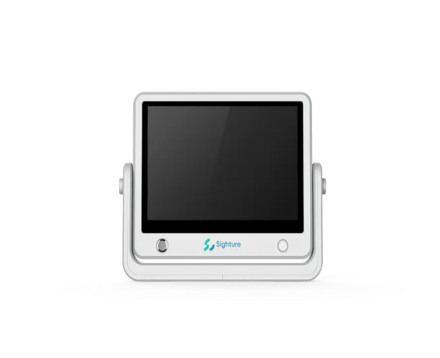 Looking for a Reliable Disposable Hysteroscope Manufacturer? Discover Sighture’s Advanced Solution

 English