Plantar pressure analysis is a biomechanical assessment method used to measure how pressure and load are distributed across the bottom of the feet during standing and movement. Instead of relying only on visual observation, clinicians can quantify differences in plantar loading, contact area, weight distribution and pressure progression.
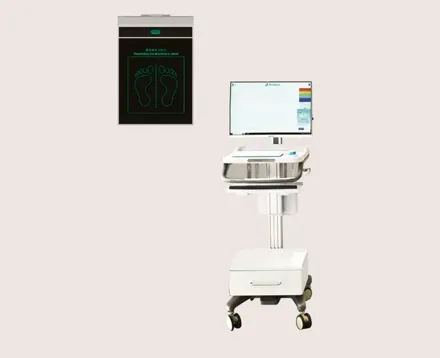
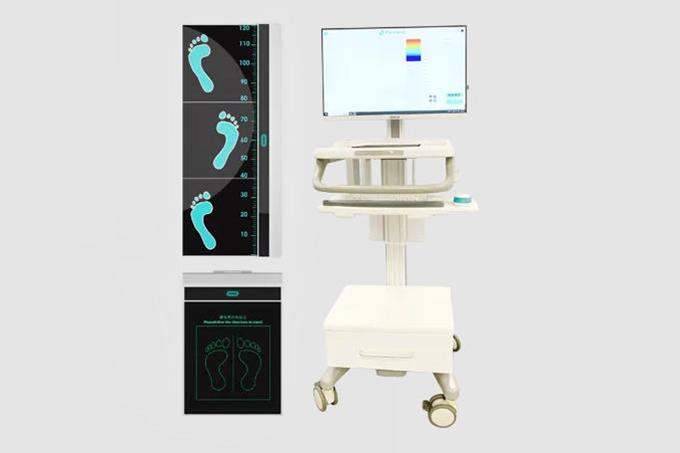
Modern plantar pressure measurement systems use sensor arrays to capture foot-ground interaction and convert the data into pressure maps and numerical reports. These measurements can provide additional information during gait assessment, rehabilitation, orthotic evaluation and follow-up monitoring.
The purpose of plantar pressure analysis is not to replace physical examination. Its value lies in adding objective, repeatable data that can help clinicians interpret how a patient is loading the feet and whether those patterns change over time.
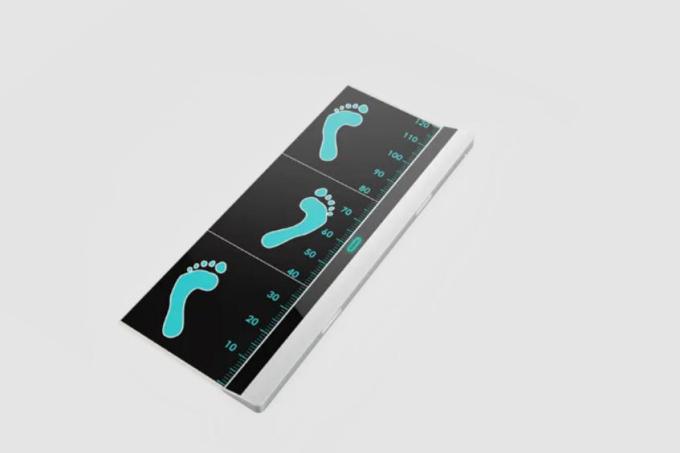
Plantar pressure analysis is the quantitative measurement of pressure between the plantar surface of the foot and a sensing platform or in-shoe measurement system.
During assessment, sensors record the magnitude and location of pressure as the foot contacts a surface. Software then processes the information into numerical measurements and visual plantar pressure mapping.
Static assessment examines how weight is distributed while a person stands still. Dynamic assessment records changes during walking, showing how pressure moves from initial heel contact through the midfoot and forefoot toward toe-off.
These two approaches provide different information. Static measurements are useful when evaluating balance and standing symmetry, while dynamic measurements are more appropriate when the objective is to understand loading during functional movement.
Because walking speed, footwear, foot placement and repeated trials can influence results, test conditions should remain as consistent as possible when plantar pressure analysis is used for follow-up comparisons.
Plantar pressure analysis measures foot function by recording where force is applied, how concentrated the loading is and how those patterns change during contact with the ground.
A pressure platform contains multiple sensors arranged across the measurement surface. Each sensor records local pressure, allowing software to reconstruct the overall loading pattern beneath the foot.
The result is not simply a colored footprint. The system can generate several complementary measurements.
| Measurement | What It Describes | Why It Matters |
|---|---|---|
| Peak pressure | Highest pressure in a specific region | Identifies concentrated loading |
| Mean pressure | Average loading across a region | Supports regional comparison |
| Contact area | Area of the foot contacting the surface | Helps assess loading pattern |
| Weight distribution | Relative loading between sides | Identifies asymmetry |
| Center of pressure | Movement of the resultant pressure point | Supports balance and gait assessment |
Dynamic foot pressure analysis adds a time component. It shows not only where pressure occurs but also when different regions become loaded during the stance phase.
This can be useful when two patients show a similar maximum pressure value but reach that value at different points in the gait cycle.
A plantar pressure analysis report should be interpreted using several related variables rather than a single peak-pressure number.
Common parameters include:
Peak and mean plantar pressure: show the intensity of loading within specific foot regions.
Contact area: indicates how much of the heel, midfoot, forefoot and toes contacts the measurement surface.
Left-right distribution: quantifies differences in weight bearing between the two feet.
Center-of-pressure trajectory: describes how the resultant loading point moves during standing or walking.
Temporal parameters: show the timing of pressure changes throughout foot contact.
The clinical meaning of these values depends on context. A locally elevated pressure does not automatically indicate pathology, just as a symmetrical pressure map does not automatically indicate normal function.
Patient symptoms, walking speed, foot structure, joint mobility and other clinical findings should be considered alongside plantar pressure measurement data.
A systematic review of plantar pressure and center-of-pressure measurements also found that reliability varies between parameters and testing protocols, reinforcing the importance of standardized assessment procedures. The research can be reviewed through PubMed's plantar pressure reliability study.
Clinical plantar pressure analysis can provide objective information about weight distribution, gait loading and changes in foot function across different assessments.
Typical applications include:
Rehabilitation: monitoring changes in limb loading after injury, surgery or treatment.
Gait assessment: identifying asymmetric or unusual pressure progression during walking.
Orthotic assessment: comparing plantar loading before and after the use of insoles or footwear modifications.
Balance evaluation: examining standing weight distribution and center-of-pressure behavior.
Foot-risk assessment: identifying regions exposed to consistently elevated plantar loading.
For example, a patient recovering from lower-limb surgery may visually appear to walk more symmetrically over time. Plantar pressure analysis can help quantify whether the affected limb is actually accepting more load during follow-up.
Similarly, plantar pressure mapping can show whether an orthotic redistributes pressure away from a specific region. This gives clinicians a measurable way to compare conditions rather than relying entirely on visual impressions or patient feedback.
Pressure data should still be interpreted as part of a broader clinical assessment rather than as a standalone diagnosis.
Plantar pressure analysis complements traditional foot assessment by adding numerical and visual loading data to physical examination and clinical observation.
Traditional assessment can evaluate pain, joint mobility, muscle strength, deformity, tenderness and medical history. These are essential findings that a pressure system cannot directly measure.
Digital assessment provides a different type of information. It can quantify subtle differences in weight distribution or plantar loading that may be difficult to estimate visually.
For example, a clinician may observe that a patient tends to favor the left side during standing. Digital plantar pressure measurement can show whether the difference is small or substantial and whether it changes during later assessments.
It also makes longitudinal comparison easier. If the same testing protocol is repeated, numerical values can be compared between sessions.
The strongest clinical approach is therefore not traditional assessment versus digital foot pressure analysis. The two methods answer different questions and are most useful when interpreted together.
Plantar pressure analysis provides objective information about how the feet interact with the ground during standing and movement. Measurements such as peak pressure, contact area, left-right distribution and center-of-pressure behavior can help clinicians quantify loading patterns that may be difficult to judge through observation alone.
Its greatest value comes from combining plantar pressure mapping with medical history, physical examination and other biomechanical assessments. When testing conditions are standardized, digital pressure data can also support meaningful comparison during rehabilitation and follow-up.
For clinics using systems such as those developed by Sighture, the priority should remain consistent measurement and clinically relevant interpretation rather than simply generating more data.
It measures how pressure and load are distributed across the plantar surface during standing or movement.
It is a visual representation of pressure distribution beneath different regions of the foot.
Yes. It can quantify differences in loading between the left and right feet.
It supports clinical assessment but should not be used as a standalone diagnosis.
Static testing measures standing pressure, while dynamic testing records pressure changes during movement.
Repeated testing under consistent conditions can help clinicians monitor changes in loading patterns over time.

 English