Foot function shapes nearly every aspect of human movement. Yet for decades, clinicians and trainers relied largely on visual observation—watching a patient walk across a room and making judgments based on what the eye could catch. Subtle asymmetries, early-stage pressure abnormalities, and compensatory loading patterns often went undetected, simply because they unfold faster than human perception can track. A high-quality plantar pressure system changes that equation entirely, converting the invisible mechanics of foot-ground interaction into objective, quantifiable data that drives better decisions.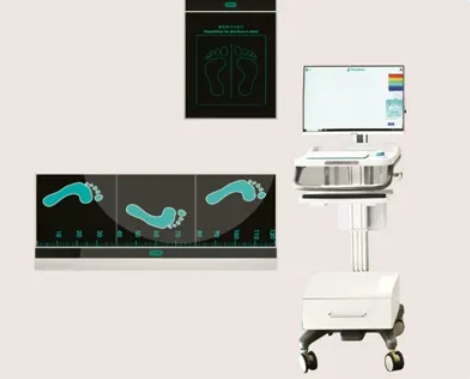
At its core, a plantar pressure system captures the distribution and magnitude of force across the foot's plantar surface during standing, walking, or running. Modern configurations—whether built into a pressure-sensing platform or embedded within instrumented insoles—use dense sensor arrays to record thousands of data points with each footfall. What emerges from this process is far more than a simple pressure map: clinicians gain access to peak pressure zones, center of pressure trajectory, stance-to-swing phase timing, forefoot-versus-rearfoot loading ratios, and step-to-step symmetry metrics, all captured dynamically across different speeds and surfaces.
The table below summarizes several key parameters that a clinical-grade plantar pressure system can quantify, along with their real-world applications. Having this data in a structured, report-ready format transforms vague clinical impressions into measurable baselines.
Key Parameters Measured by a Plantar Pressure System
| Parameter | What It Reveals | Clinical & Sports Relevance |
|---|---|---|
| Peak Pressure (kPa) | Maximum force per unit area in specific foot regions | Identifies high-stress zones for diabetic offloading and orthotic design |
| Center of Pressure (COP) Trajectory | The path of the resultant force vector during stance | Assesses balance control, postural sway, and fall risk in elderly patients |
| Stance Phase Duration | Time spent with the foot in contact with the ground | Detects asymmetries in loading, guarding, or neuromuscular deficits |
| Foot Progression Angle | The angle between the foot’s long axis and the walking direction | Guides gait retraining in runners and helps monitor rehab progress |
| Regional Load Distribution | Percentage of total force under the heel, midfoot, forefoot, and toes | Evaluates forefoot/rearfoot striking patterns and postsurgical compensation |
This level of granularity matters because foot function rarely fails uniformly. A patient developing diabetic neuropathy may exhibit concentrated forefoot loading long before any visible ulceration appears. An athlete compensating for a subtle hip imbalance might show asymmetric pressure distribution that visual gait assessment would never reveal. The plantar pressure system picks up these signals early—often at subclinical stages—giving practitioners a window for intervention that traditional methods simply cannot provide.
The range of conditions that benefit from objective plantar pressure assessment is remarkably broad. In diabetic foot care, plantar pressure system technology serves as a frontline screening tool, identifying regions of elevated mechanical stress that precede tissue breakdown. Research demonstrates that custom-made orthopedic footwear guided by pressure mapping can reduce plantar pressures under all foot regions by at least nine percent, with corresponding reductions in patient-reported pain exceeding twenty percent. When combined with regular monitoring, this data-driven approach shifts the clinical model from treating complications to preventing them.
Orthopedic and rehabilitation settings rely on plantar pressure data for a different set of challenges. Post-surgical patients recovering from anterior cruciate ligament reconstruction, total joint replacement, or foot and ankle procedures often develop compensatory gait patterns that persist long after tissue healing appears complete. A plantar pressure system provides an objective baseline at the start of rehabilitation and tracks loading symmetry as recovery progresses—giving physical therapists concrete evidence to adjust exercise prescriptions, determine return-to-activity readiness, and communicate progress to referring physicians. Similarly, podiatry practices use pressure distribution data to guide orthotic design, verifying that custom inserts actually achieve the offloading effect they are intended to produce.
In neurological care, plantar pressure metrics are proving valuable for conditions ranging from Parkinson's disease to stroke recovery. Research on patients with early-stage Parkinson's disease has shown that plantar pressure analysis reveals subtle gait changes—including reduced peak pressures and increased heel loading variability—that are not easily detected through standard clinical observation. For elderly fall-risk screening programs, measurements of center of pressure excursion and postural sway provide a quantitative complement to functional balance tests, helping clinicians identify individuals who may benefit from targeted strength training or mobility aids.
Athletic applications extend well beyond injury rehabilitation. Coaches and sports scientists increasingly integrate plantar pressure system data into performance optimization workflows, analyzing how athletes load their feet during sport-specific movements. A sprinter's forefoot pressure distribution during acceleration, a basketball player's landing mechanics after a rebound, a distance runner's midfoot loading pattern at race pace—all of these contain actionable information about efficiency, fatigue resistance, and injury risk.
The value lies in repeatability. By establishing individual pressure profiles during preseason screening, sports medicine teams can detect deviations that signal overuse before the athlete reports symptoms. When a soccer player's previously symmetrical loading pattern shifts toward one side, or when a runner's peak pressure migrates laterally across the metatarsal heads over successive training cycles, the plantar pressure system flags these changes as early warnings rather than retrospective findings. This proactive approach keeps athletes on the field and out of the treatment room.
Not all pressure measurement platforms deliver equivalent results. Sampling frequency is particularly important: systems operating at higher acquisition rates capture transient loading events during initial contact and push-off that slower hardware simply misses. Research-grade devices now achieve acquisition frequencies of up to 2000 Hz for distributed three-dimensional force measurement across multiple plantar regions. While not every clinical application demands this level of temporal resolution, the principle holds—faster sampling yields more complete data, particularly during dynamic activities.
Sensor durability and calibration stability also influence real-world usability. A plantar pressure system destined for a busy clinic or training facility must maintain measurement accuracy across tens of thousands of foot strikes without requiring constant recalibration. Build quality in the sensor substrate, the supporting frame structure, and the software interface all contribute to whether a system becomes a trusted daily tool or an expensive piece of equipment gathering dust in a corner. Systems verified to achieve high reproducibility—approaching 99% in multicenter trials—give practitioners confidence that changes in patient data reflect genuine physiological shifts rather than measurement drift.
What ultimately distinguishes an effective plantar pressure system is not the raw data it produces but how that data translates into clinical action. Modern software platforms automate the heavy analytical lifting—generating reports that highlight pressure asymmetry indices, regional loading percentages, and temporal gait parameters in formats accessible to both clinicians and patients. This speeds up clinical workflows and strengthens patient communication: when individuals can see a visual pressure map of their own foot loading, compliance with orthotic prescriptions, offloading protocols, and rehabilitation exercises tends to improve.
Integration with broader assessment frameworks further amplifies value. Combining plantar pressure system data with motion capture kinematics or electromyography creates a comprehensive picture of lower-extremity function—revealing not just where pressure concentrates but why, in terms of joint angles, muscle activation timing, and whole-body movement strategies. This multi-modal approach supports the kind of personalized intervention planning that isolated assessments cannot deliver.
Selecting a plantar pressure system begins with clarifying the primary clinical or performance questions you need to answer. A rehabilitation clinic focused on balance retraining and static postural assessment may prioritize platform-based systems with excellent center of pressure resolution. A sports medicine practice evaluating athletes during high-speed running may need in-shoe sensor configurations that capture data in the athlete's natural environment rather than on a laboratory walkway. Research institutions conducting multi-parameter gait studies benefit from integrated solutions that combine pressure sensing with synchronized video or kinematic capture.
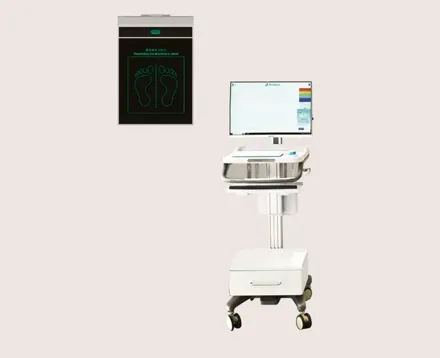
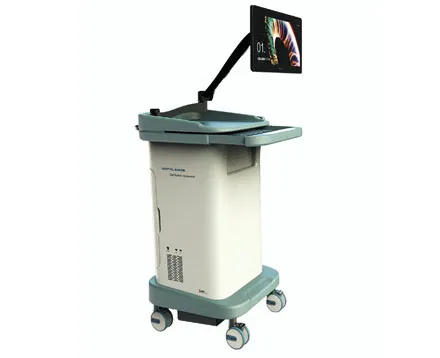
Durability, software usability, and after-sales support matter as much as sensor specifications. A system's long-term value depends on how seamlessly it fits into existing clinical workflows and how reliably it performs through years of daily use. For organizations seeking a solution that balances measurement precision with practical workflow integration, Sighture Medical's Plantar Pressure Gait Analysis System provides a purpose-built platform designed for clinics, hospitals, and sports institutions that demand repeatable, evidence-grade assessments. With configurations tailored to varying assessment depths—from static balance screening to comprehensive multi-parameter gait analysis—the system offers a practical path from subjective observation to objective, data-driven foot function assessment.
Movement assessment is undergoing a fundamental shift. Where clinicians once had to rely on trained eyes and clinical experience alone, plantar pressure system technology now provides the quantitative foundation that evidence-based practice demands. Whether the goal is preventing diabetic foot complications, optimizing post-surgical rehabilitation, screening elderly patients for fall risk, or fine-tuning athletic performance, objective pressure data changes the conversation—from "I think the loading pattern looks asymmetrical" to "here is exactly where, when, and by how much the pressure distribution deviates from normal." In an era of personalized medicine, that distinction matters more than ever.
1. What exactly does a plantar pressure system measure, and how does it work?
At its simplest, it measures the force your foot applies to the ground during standing or movement. But the useful part is how it breaks that down—showing which parts of your foot take the most load, how your weight shifts from heel to toe, and whether one foot behaves differently than the other. Modern systems capture thousands of data points per step, creating a detailed map of pressure hotspots, timing, and balance that you simply can't get by watching someone walk.
2. How is plantar pressure mapping used in diabetic foot care?
For people with diabetes, loss of sensation can mask excessive pressure that eventually leads to ulcers. A plantar pressure system spots those high-risk zones early, often before any visible skin changes appear. The data guides specialists in crafting custom orthotics or footwear that offloads specific areas. Research has shown that pressure-guided footwear can reduce plantar pressures by at least 9% and cut pain by over 20%, making it a genuinely preventive tool rather than a reactive one.
3. What is the difference between a pressure plate and an in-shoe sensor system?
A pressure plate is a flat, platform-based device you walk across. It excels in controlled settings—like a gait lab—where you want consistent, repeatable readings across many patients. In-shoe sensors, on the other hand, are thin inserts that fit inside the footwear and measure pressure continuously as the person moves through their real environment. Plates are great for standardized assessments, while in-shoe systems shine when you need to evaluate an athlete on the track or a worker on the factory floor. Many clinics use both, depending on the question they're trying to answer.
4. Who can benefit from a plantar pressure analysis?
The list is longer than most people expect. Athletes use it to fine-tune performance and catch compensation patterns before they become injuries. People with diabetes use it to prevent ulceration. Anyone recovering from knee, hip, or ankle surgery can track loading symmetry during rehab. Neurologists employ it to spot subtle gait changes in conditions like Parkinson's. Even apparently healthy older adults might benefit from a screening to assess fall risk through their balance and foot loading patterns.
5. How do I choose the right plantar pressure system for my facility?
Start with the primary question you need to answer. If you mostly assess static balance and basic gait in a clinic, a robust pressure plate with good center of pressure tracking may be all you need. If your work involves dynamic movements—like running analysis or workplace ergonomics—look into in-shoe sensor options with high sampling rates. Pay attention to sensor durability, how often the system needs recalibration, and whether the software gives you reports you can actually use with patients. The Sighture Medical Plantar Pressure Gait Analysis System, for example, offers configurations that scale from static screening to comprehensive multi-parameter assessments, making it a fit for settings that need to grow their capabilities over time.
 Looking for a Reliable Disposable Hysteroscope Manufacturer? Discover Sighture’s Advanced Solution

 English