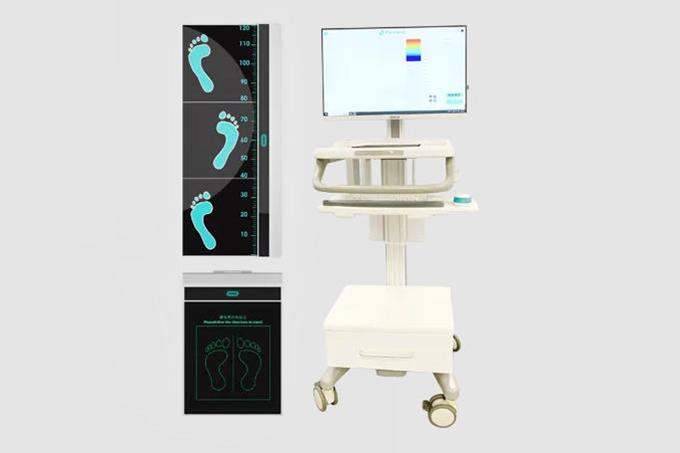
A gait analysis device is used to capture and quantify human walking patterns, helping clinicians, rehabilitation professionals and researchers obtain objective movement data that cannot always be identified through visual observation alone. Depending on the technology, these devices can measure parameters such as walking speed, cadence, step length, stance time, symmetry and plantar pressure.
Selecting the right device requires matching its measurement capabilities with the intended application. Sensor technology, repeatability, software, portability and workflow are often more important than simply choosing the system with the largest number of functions.
Sighture Medical provides gait and movement assessment solutions for rehabilitation, clinical, sports and research applications.
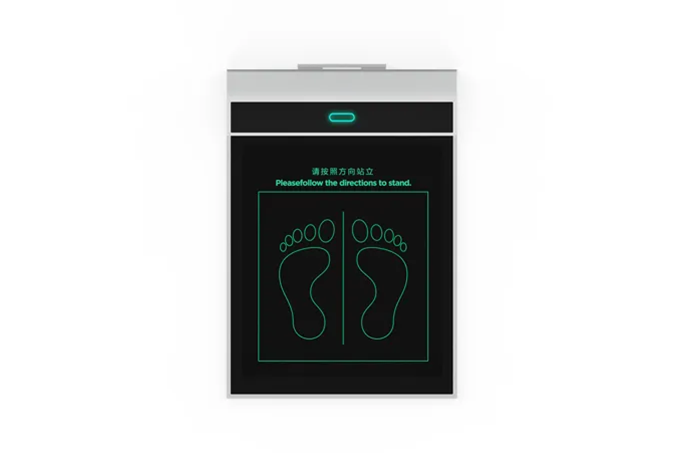
A gait analysis device is a measurement tool that uses sensors or other digital technologies to record walking characteristics and convert human movement into quantitative data.
The term can refer to several types of equipment, including pressure-sensitive platforms, instrumented walkways, wearable sensors and motion measurement systems. Some devices focus primarily on foot-ground interaction, while others capture broader movement patterns.
A device may operate independently or as part of a complete gait analysis system combining measurement hardware, software, data visualization and reporting functions.
The purpose is not to replace professional assessment. Instead, digital gait measurements provide objective information that clinicians and researchers can interpret alongside physical examinations, patient history and other assessment results.
A gait analysis device measures walking patterns by detecting movement or foot-ground interaction and processing the captured signals into clinically or scientifically useful parameters.
A typical measurement process includes:
Data capture: Sensors collect information while the subject walks through or wears the measurement system.
Signal processing: Recorded signals are converted into digital movement data.
Parameter calculation: Software calculates relevant temporal, spatial or pressure-related metrics.
Result visualization: Data are presented as numerical results, graphs, pressure maps or other visual formats.
For example, a pressure-based gait analysis sensor can identify how plantar loading changes during different phases of foot contact. Other technologies may focus on acceleration, joint movement or overall walking patterns.
Standardized test conditions are important because changes in walking speed, footwear or test instructions can influence measurements between sessions.
The most important features of a medical gait analysis device include measurement capability, accuracy and repeatability, sampling performance, software functions and ease of clinical operation.
When comparing devices, buyers should consider:
Measured parameters: Determine whether walking speed, cadence, step length, stride length, stance time, symmetry or plantar pressure measurements are required.
Measurement performance: Review the specifications relevant to the technology, including sensing area, sampling capability, measurement range and repeatability.
Software: Useful functions may include data visualization, trial comparison, patient records, reporting and data export.
Clinical workflow: Setup and testing should be practical for the expected patient volume and available assessment space.
Technical support: Training, calibration, maintenance and software support can influence long-term usability.
Professional buyers should focus on specifications that directly affect their assessment protocols rather than comparing devices by feature count alone.
Gait analysis devices are used in rehabilitation and sports assessment to quantify walking characteristics, compare movement patterns and monitor changes over time.
In rehabilitation, a device can establish baseline measurements before a treatment or training program begins. Repeated assessments can then help professionals compare parameters such as walking speed, step characteristics or left-right symmetry over time.
In sports and biomechanics applications, gait measurements can contribute to the study of movement patterns and foot-ground interaction. Pressure-based equipment may also provide useful information about plantar loading under different testing conditions.
Professional gait analysis equipment can additionally support research where standardized numerical measurements are required for comparisons between subjects or assessment sessions.
The meaning of any change should be interpreted in context. A numerical difference alone does not establish a medical diagnosis or automatically indicate improvement.
Selecting a gait analysis device requires matching the measurement technology, available parameters, software and operating workflow with the intended clinical, sports or research application.
Start by defining what needs to be measured. A rehabilitation center focused on functional walking assessment may prioritize temporal-spatial parameters and simple reporting, while a biomechanics laboratory may require more detailed data and export capabilities.
Available testing space should also be considered. Some systems require a dedicated walking area, whereas compact or wearable solutions can offer greater flexibility where space is limited.
Buyers should then compare repeatability, measurement procedures, software functions, calibration requirements and technical support. If several systems appear similar, requesting a demonstration or sample report can help determine how easily the collected data can be incorporated into the intended workflow.
Sighture Medical provides gait analysis and movement assessment solutions designed for professional clinical, rehabilitation, sports and research environments.
When requesting a system, buyers should provide the intended application, required gait parameters, testing environment, expected patient or subject workflow and software requirements. This information makes it easier to identify a suitable equipment configuration.
Sighture Medical supports professional users seeking objective movement assessment solutions that combine measurement hardware with practical data analysis capabilities.
A gait analysis device provides objective measurements that can make walking assessment more quantitative and repeatable. Depending on the technology, it can capture temporal-spatial parameters, plantar pressure or other movement characteristics relevant to rehabilitation, sports and research.
The right device should be selected according to required measurements, repeatability, software, testing environment and workflow rather than feature quantity alone. Sighture Medical supports professional users seeking gait analysis solutions for different movement assessment requirements.
Depending on the technology, it may measure walking speed, cadence, step and stride length, stance time, symmetry, plantar pressure and other movement parameters.
Common options include pressure platforms, instrumented walkways, wearable sensors and motion measurement systems.
A device usually refers to measurement hardware, while a system can include hardware, software, analysis and reporting functions.
Yes. They can provide objective measurements for baseline assessment and comparison of movement changes over time.
Yes. Appropriate devices can support sports biomechanics and movement research, depending on the measurements required.
Define the required parameters first, then compare measurement technology, repeatability, software, testing space, workflow and technical support.

 English